
- RESEARCH
- DISCOVER
- DESCRIBE
- CONSERVE

Journey of S. D. Biju
a Pathfinder
click here

Poster
new species
click here
Biju started his amphibian research in 1990s in the Western Ghats of India and gradually expanded to North-eastern India in early 2000s. Since establishing of the Systematics Lab at University of Delhi in 2005, his team has done extensive field work throughout India and neighbouring regions of Asia to study and conserve amphibians. Rich diversity, extraordinary endemism, and shared evolutionary histories with other biogeographical regions make Indian amphibians an exciting group to study.

click here
Systematics & Taxonomy
The current challenges in amphibian systematics lie in discovery and description of potentially high undescribed species diversity and resolution of historical nomenclature confusions. Our work in this area began three decades ago and continues to this day. We combine traditional microscopy-based taxonomic studies with the use of modern molecular phylogenetic tools. We will soon bring out a comprehensive volume on Amphibians of India that captures the science and spirit of our work.
Reproductive Behaviour & Biology
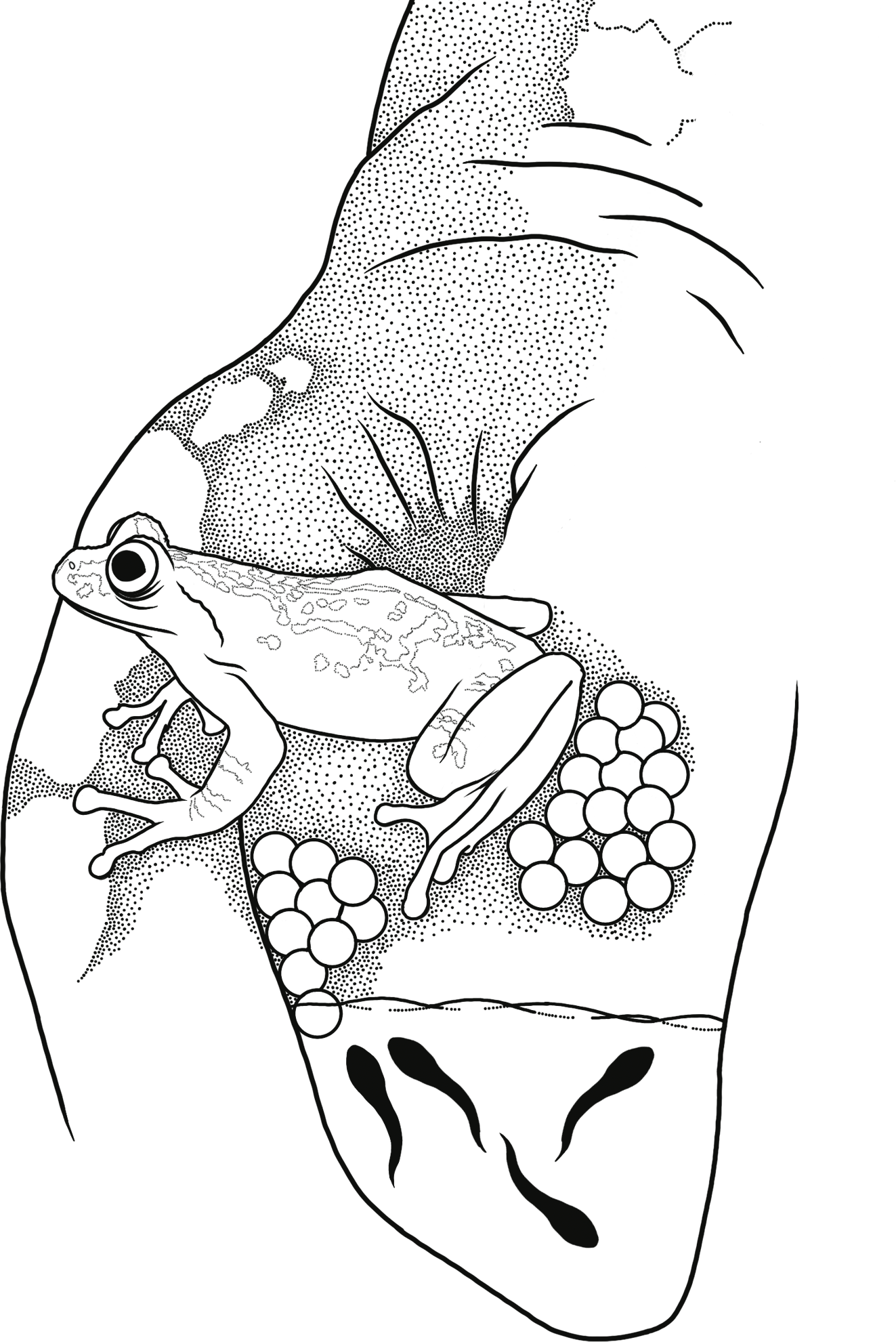
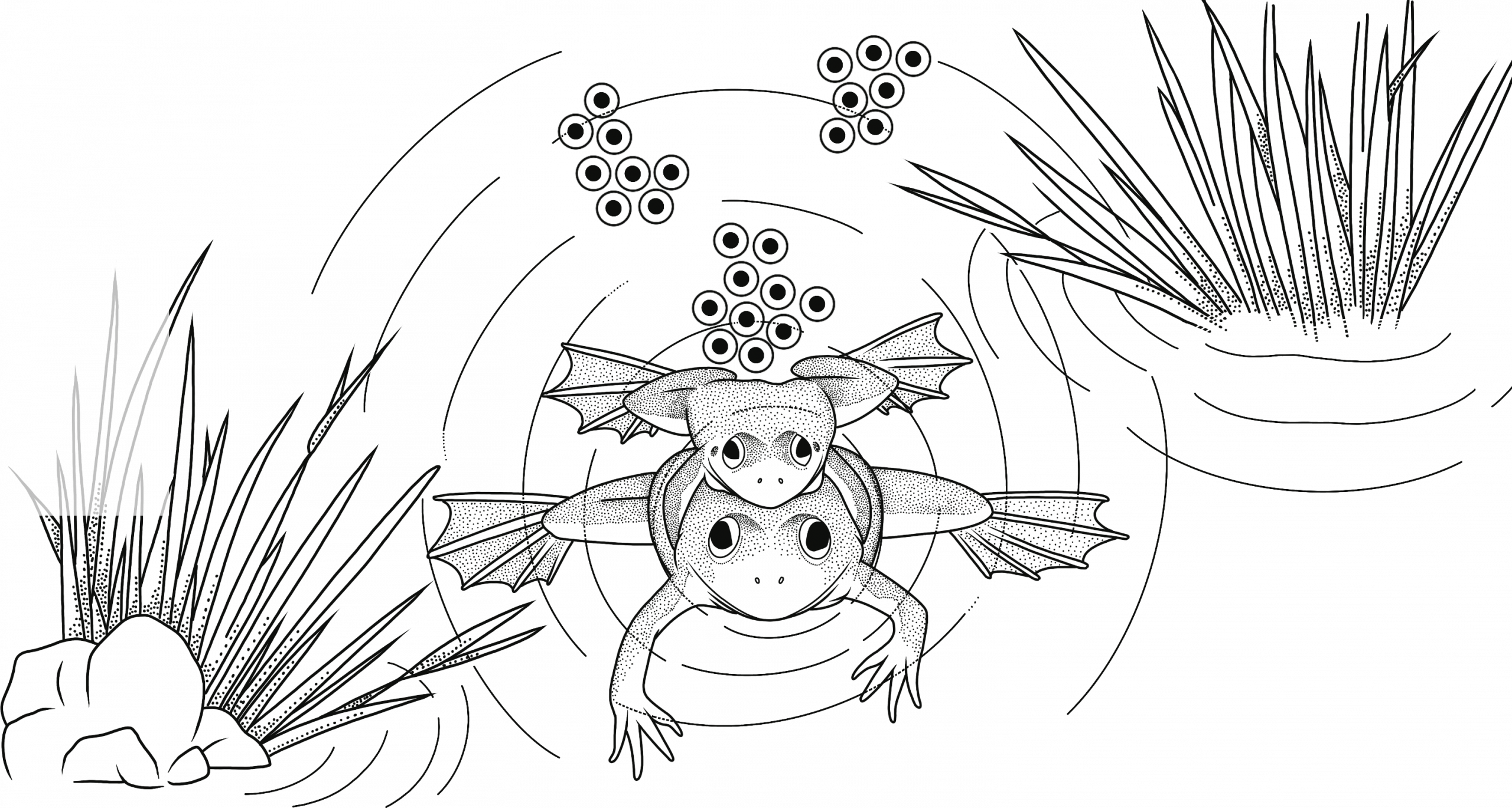
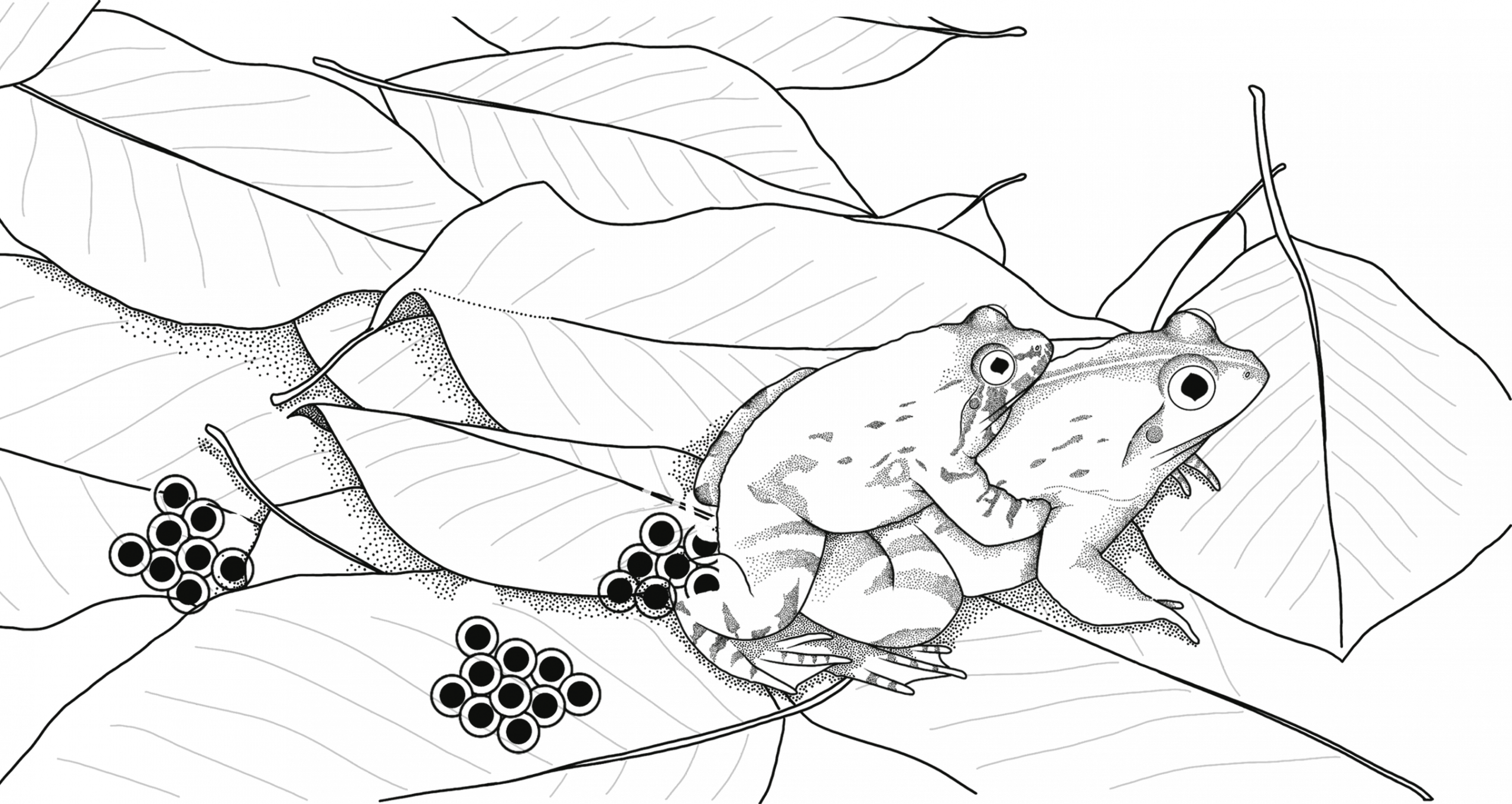
Mate recognition mechanism is one of the driving forces for speciation. Studies in this field permit reconstruction of evolutionary stepping stones. Our recent research has shifted focus from the geographic context of speciation to the mechanisms that drive the evolution of reproductive isolation between populations. Advertisement calls and reproductive mode could be key factors that contribute to reproductive isolation. Our studies cover these aspects of amphibian behaviour and have revealed novel reproductive modes. Evolution of amplexus and development is another focus area for our team.
Molecular Phylogenetics & Biogeography
India is eminently suited for testing biogeographic hypothesis. The endemic amphibian fauna is rich and has likely evolved through complex interactions between geological and paleoclimatic events. Dispersal and vicariance have strongly influenced the formation of biogeographic patterns. Our work includes investigations at various taxonomic levels to uncover patterns and processes that shape present-day diversity and distributions of species. These are used to test hypotheses on historical biogeography.
Biodiversity Conservation
About fifty percent of amphibian species in India are under various threat categories. Habitat loss and degradation are the leading causes of amphibian decline in India. One of the largest impediments to conservation planning is the lack of accurate species identification and incomplete information on distribution range. Our work fills this important gap between science and conservation. We implement IUCN criteria to identify threatened species and critical habitats for conservation prioritization. This informs measures needed to conserve amphibians. We also lead an initiative www.wnpata.org, funded by CEPF and USFW, to identify and propose amphibian conservation areas. Lost Amphibians of India (LAI) www.lostspeciesindia.org is another national initiative, headquartered at Systematics Lab, University of Delhi, to rediscover over 55 amphibian species thought-to-be lost after their original description.

Projects
Our team is in a constant state of readiness. The main constraint is availability of resources. Some of our ongoing plans are already funded. But there is a huge gap between what is needed and what is available as funds.
Projects (Major Grants)
National: 1,80,28,533 INR
International: USD 228,988 (1,07,62,436 INR)
Total: 2,87,90,969 INR
- DBT: Development of DNA Barcode for amphibian fauna of the Western Ghats, DBT, Government of India
- MoEF: Diversity and endemism of hill stream amphibians of the Western Ghats of Kerala and Karnataka, MoEF, Government of India
- IUCN/ASG: Amphibians of India: in search of ‘the lost species’, Amphibian Specialist Group (IUCN/SSC)
- CEPF/CI: Conservation of Caecilians in the Eastern Himalayas Region, CEPF, Conservation International, Washington, USA
- Royal Society London/NHM, London: International Joint Project under the scheme Royal Society Program through the Natural History Museum, London (NHM): Amphibians of Northeast India
- US Fish and Wildlife: Establishing a Protected Area Network for the Threatened Amphibians of the Western Ghats
- PTES/ZSL: Conservation assessment and prioritization of the Indian Purple frog (Nasikabatrachus sp.) through systematics and reproductive biology, PTES, Zoological Society of London, London
- University of Delhi: Amphibians of India
- CEPF/Conservation International: Western Ghats Network of Protected areas for Threatened Amphibians